
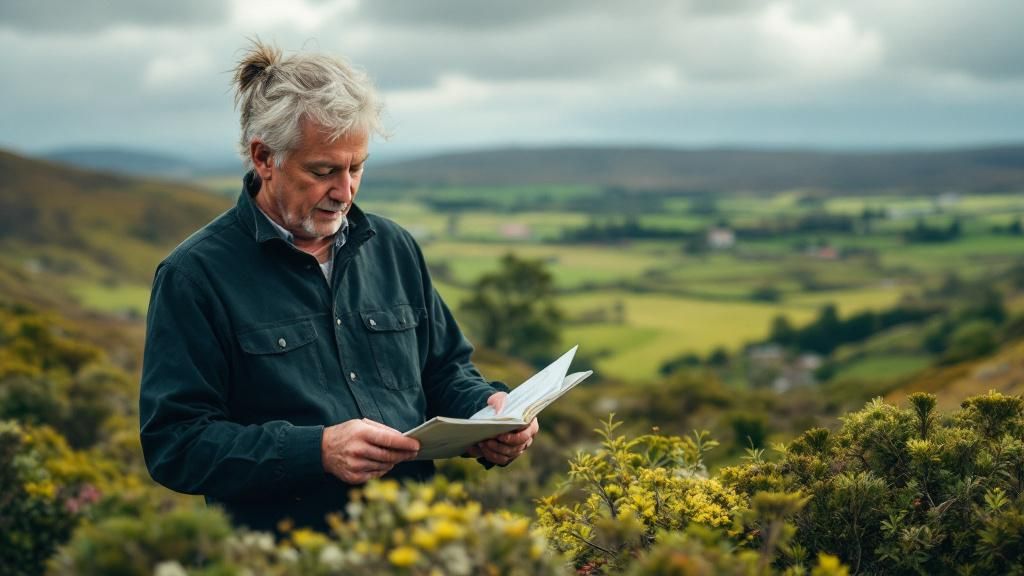
As globalisation threatens language variety across the British Isles, heritage language programmes have emerged as essential support systems for Scotland’s Gaelic and Welsh language in Wales forms. These programmes, blending structured teaching with local participation, are turning back years of deterioration and reviving cultural pride amongst the next generation. This article explores how passionate professionals and devoted populations are safeguarding these historic Celtic tongues, examining proven approaches, their documented effects on language communities, and the wider significance for protecting Britain’s linguistic heritage.
The Significance of Celtic Language Conservation
The Celtic tongues of Scotland and Wales constitute invaluable storehouses of cultural identity, historical understanding, and linguistic diversity. These ancient tongues carry within them generations of tradition, folklore, and distinctive worldviews that cannot be properly conveyed into English. In the absence of dedicated preservation initiatives, the loss of Gaelic and Welsh would erode not merely Scotland and Wales but also the broader cultural heritage of the British Isles. Heritage language initiatives therefore serve as vital custodians of this invaluable linguistic legacy.
Beyond cultural importance, maintaining Celtic dialects offers substantial cognitive and social benefits to speakers and communities alike. Research shows that bilingualism improves cognitive flexibility, problem-solving skills, and academic performance amongst young learners. Furthermore, these languages reinforce community connections and foster feelings of connection amongst speakers. By investing in heritage language programmes, Scotland and Wales are not merely maintaining historical records; they are cultivating vibrant, living languages that enrich the lives of contemporary speakers and generations to come.
Current Heritage Language Programmes in Scotland
Scotland’s strategy for Gaelic protection has changed substantially over the past few decades, with many Gaelic language initiatives now running across the country. The Gaelic Medium Education (GME) initiative functions as a pillar of these programmes, delivering in-depth learning through the language of Gaelic from primary through secondary education. Supporting formal schooling, local community groups such as Sabhal Mòr Ostaig and local Gaelic societies provide educational opportunities for mature learners and cultural programmes that reinforce linguistic competence and foster transfer across age groups of the language.
Beyond traditional classroom settings, online channels and multimedia projects have revolutionised access to Gaelic learning resources. BBC Alba, Scotland’s Gaelic-language television channel, airs educational content combined with entertainment, whilst online courses and mobile applications enable learners to learn at their own pace. These diverse initiatives collectively demonstrate Scotland’s commitment to reversing Gaelic’s long-term decline, creating pathways for speakers of all ages to engage with their heritage language and participate actively in Scotland’s thriving Gaelic-speaking community.
Welsh Language Revitalisation Efforts
Wales has introduced extensive language revitalisation strategies that have markedly grown Welsh speaker numbers in recent decades. The Welsh Government’s focus on learning-focused measures, encompassing mandatory Welsh-language education and bilingual curriculum development, has produced a generation of skilled language users. These programmes prioritise early-years language immersion, acknowledging that foundational language learning during early formative stages yields the most lasting outcomes for ongoing speaker preservation and cultural sustainability.
Local-driven schemes work alongside established education systems, encouraging organic language use outside traditional classrooms. Welsh language centres, cultural festivals, and web-based resources create chances for speakers of all ages to use and take pride in their heritage. These local movements have developed active Welsh-speaking networks, especially in cities where the language had previously declined. The synergy between institutional support and community enthusiasm illustrates how varied methods effectively reverse language decline and enhance the handing down of this long-established Celtic speech.
Challenges and Future Prospects
Despite substantial progress, heritage language programmes encounter substantial obstacles that threaten their sustained sustainability. Financial limitations continue to be a persistent challenge, with many initiatives contingent on government grants and voluntary funding that vary annually. Additionally, competition from dominant languages and digital content in English presents significant obstacles to engagement. Teachers specialising in Celtic languages stay in short supply, and educational integration across conventional schooling stays inconsistent. These structural impediments necessitate sustained political commitment and considerable resources to address effectively.
Looking ahead, the long-term outlook of Gaelic and Welsh preservation relies on creative solutions and grassroots action. New digital tools, including immersive digital platforms and social media engagement, offer promising opportunities to connect with younger audiences. Growth in early learning services and enhancing university Celtic studies offerings will cultivate a ongoing supply of language users and instructors. Ultimately, integrating these languages into daily community activities—through workplace initiatives, community celebrations, and family-centred learning—is crucial for ensuring these valuable language heritage persist for generations to come.
